
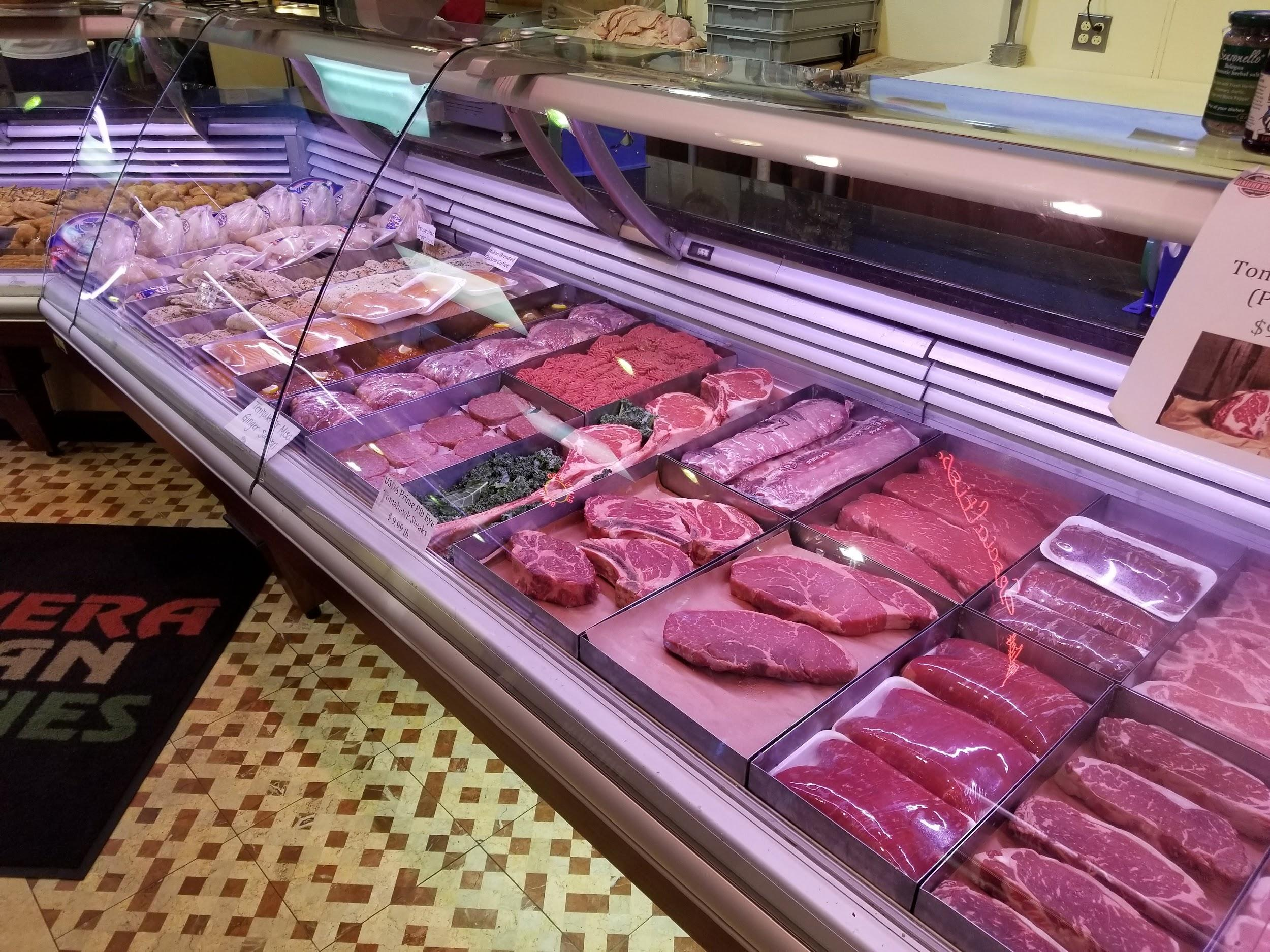
How light placement and spectrum affect what shoppers see first and how to keep it consistent
Deli cases are often a shopper’s first visual interaction with fresh meats, charcuterie, and prepared foods. The front row of these displays serves as the visual “invitation” to purchase. However, improper lighting can distort the natural colors of sliced meats, deli salads, and ready-to-eat meals, leading to misperceptions of freshness, quality, and flavor. Retailers who overlook lighting risk increased spoilage, shrink, and dissatisfied customers.
This guide provides practical strategies for deli case lighting, helping store operators maintain consistent color, reduce waste, and protect the visual appeal of perishable products.
Why Color Accuracy Matters in Deli Displays
Shoppers often judge meat quality by color before considering price or brand. Even small shifts can influence purchasing decisions:
- Beef that appears brown or dull may be perceived as aged or unsafe
- Sliced ham or cured meats can look dry or unappetizing under harsh lighting
- Prepared salads and deli trays lose vibrancy, reducing perceived freshness
Correct lighting ensures that the natural reds, pinks, and greens remain true, reinforcing shopper confidence and boosting sales.
How Lighting Affects Deli Products
Meats, poultry, and prepared foods are sensitive to specific wavelengths. Improper lighting can:
- Accelerate photo-oxidation in fats, leading to off-flavors
- Cause color shifts in lean and marbled cuts
- Dry the surface of meats or prepared foods when heat output is excessive
- Distort greens and vegetables in salads and garnishes
Balanced-spectrum lighting designed for food displays minimizes these risks while maintaining visual appeal.
Choosing the Right Spectrum and Brightness
Selecting a light source that preserves color is essential:
Balanced Spectrum LEDs
- Emit wavelengths that maintain natural color without promoting oxidation
- Reduce the yellowing of fats and preserve pink-red tones in meats
Brightness and Intensity
- Avoid overly bright lights that wash out color or create glare
- Even illumination prevents shadows and highlights all rows equally
Angle and Placement
- Top-mounted lights illuminate the front row without overexposing the back shelves
- Adjustable fixtures allow for fine-tuning across different products and case depths
Correct spectrum, brightness, and angle ensure that every item looks appealing from multiple shopper perspectives.
Placement Strategies to Avoid Color Shift
How lights are positioned in a deli case significantly impacts product perception:
- Top lighting evenly highlights the first row without casting unwanted shadows
- Front-facing or angled lighting enhances the visual depth and richness of sliced meats
- Avoid direct reflection off glass that can distort colors and mislead customers
Consistent lighting across all shelves maintains uniformity, reducing product rotation due to perceived uneven quality.
Maintaining Flavor and Shelf Life
Proper lighting also protects product integrity beyond visual appeal:
- Reduces photo-oxidation that causes rancid flavors in fatty meats
- Minimizes surface drying in deli trays and prepared foods
- Supports stable temperature management by reducing excess heat from lighting
When paired with effective refrigeration and case management, lighting contributes directly to longer shelf life and less shrink.
Staff Handling and Monitoring
Even optimal lighting requires attentive staff practices:
- Train employees to recognize early signs of color change or surface dehydration
- Rotate stock regularly to ensure the front row always represents the freshest product
- Monitor case lighting periodically to ensure fixtures remain properly aligned and functioning
Staff engagement reinforces the benefits of high-quality lighting investments.
Energy Efficiency and Operational Benefits
Modern food-safe LEDs not only protect product quality but also reduce operational costs:
- Lower heat output reduces strain on refrigeration units
- Energy-efficient fixtures lower electricity consumption without compromising visual performance
- Predictable, consistent illumination minimizes the need for manual product adjustment and rotation
Retailers gain both cost savings and product protection simultaneously.
Key Takeaways for Deli Case Lighting
Before finalizing lighting for sliced meats and prepared foods, confirm the following:
- Balanced-spectrum LED lighting to preserve color and flavor
- Even illumination across all shelves, particularly the front row
- Adjustable placement to reduce glare and shadowing
- Minimal heat output to prevent drying or flavor degradation
- Staff protocols for rotation, monitoring, and maintenance
- Energy-efficient solutions to support sustainability and reduce operating costs
Implementing these measures ensures that deli products remain visually and sensorially appealing while reducing waste.
Conclusion
Lighting in deli cases is a critical factor in shopper perception, product quality, and operational efficiency. Poorly chosen or incorrectly positioned lighting can distort color, accelerate spoilage, and increase shrink, particularly on the all-important front row. By investing in balanced-spectrum, food-safe lighting, carefully planning placement, and integrating staff practices, retailers can protect both visual and sensory qualities of sliced meats and prepared foods.
For grocery operators, specialty retailers, and supermarkets looking to optimize deli displays and minimize losses, explore professional lighting solutions at www.foodlighting.com. Proper illumination ensures that every product looks its best while maintaining flavor, freshness, and profitability.