
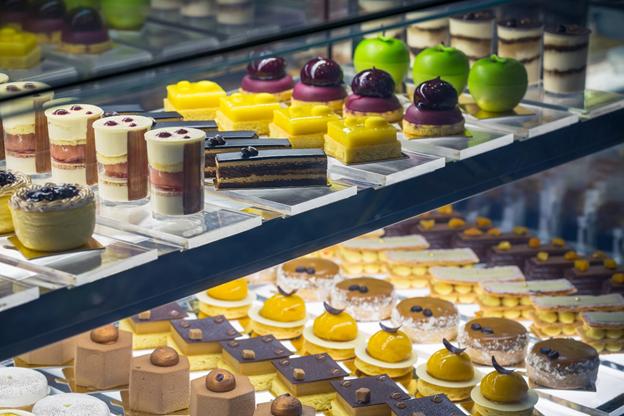
Lighting angles and color quality that show detail in pastries without making them look dry
Bakery displays are among the most visual sections in any grocery store or specialty retailer. Customers rely on sight to judge freshness, quality, and appeal before making a purchase. Frosting, glazes, and decorative toppings play a critical role in this perception. Improper lighting can make colors appear washed out, dull the shine of glazes, and flatten the texture of pastries, reducing both perceived and actual quality.
Selecting and positioning lighting correctly in bakery display cases is therefore essential for protecting product appeal, reducing waste, and boosting sales.
Why Frosting and Glazes Are Sensitive to Lighting
Frosting, glazes, and other surface decorations are particularly susceptible to:
- Color distortion: Inaccurate lighting can shift white icing to yellow or flatten the vibrancy of colored decorations
- Texture flattening: Harsh or uneven illumination can eliminate depth, making pastries appear dry or less fluffy
- Reflection issues: Glossy glazes can create glare that misleads customers about moisture content
These factors impact purchase decisions. Even minor misrepresentations can lead to reduced sales, product returns, or spoilage due to unnecessary handling.
Choosing the Right Light Spectrum
Balanced-spectrum, food-safe lighting ensures colors appear natural and appealing. Key considerations include:
Color Reproduction
- Verify that lighting preserves the true shades of frosting and glazes
- Avoid fixtures that emit excessive blue or yellow wavelengths, which can alter appearance
Intensity Control
- Adjustable brightness allows for highlighting delicate decorations without overexposure
- Too bright lights can dry surfaces, while too dim lights reduce visibility of intricate details
Lighting with the correct spectrum ensures both aesthetic and functional benefits, maintaining visual appeal and supporting shelf life.
Strategic Fixture Placement
Where lights are installed affects the way pastries are perceived:
Top Lighting
- Illuminates the full surface of cakes, tarts, and pastries
- Helps highlight gloss and subtle texture details
- Must be diffused to prevent glare on shiny surfaces
Front Lighting - Reduces shadows on vertical display surfaces
- Ideal for multi-tiered bakery cases where lower shelves may otherwise appear dim
Shelf or Side Lighting - Enhances depth and provides balanced illumination
- Minimizes shadowing on intricate decorations, supporting consistent visual appeal
Evaluating display angles ensures customers see pastries at their best, regardless of shelf location.
Managing Glare and Reflections
Glare is a common challenge with shiny glazes and sugar-based decorations. Poorly positioned lights can create hotspots that obscure details or make products look dry. Strategies to manage reflections include:
- Diffusers or frosted lenses to scatter light evenly
- Angled fixtures that illuminate surfaces without shining directly into customer sightlines
- Consistent spacing to avoid concentrated bright spots on individual items
Effective glare management enhances both perception and purchasing confidence.
Protecting Texture and Moisture
Pastries are sensitive to drying from excessive light heat or high-intensity exposure. Improper illumination accelerates moisture loss in:
- Buttercream and whipped frosting
- Fondant or chocolate glazes
- Glazed fruit toppings
Food-safe lighting minimizes heat output while providing adequate brightness, reducing the risk of surface drying and maintaining the intended texture throughout display hours.
Operational Advantages of Proper Bakery Lighting
Beyond aesthetics, well-planned lighting offers tangible operational benefits:
- Reduced waste: Fresher looking pastries remain on the shelf longer and are less likely to be discarded
- Lower labor demands: Staff spend less time repositioning items to compensate for poorly lit areas
- Enhanced shopper experience: Clear, appealing displays support faster decision-making and higher sales
Lighting investments, therefore, offer both marketing and cost-saving returns.
Staff Practices to Complement Lighting
Even with the right fixtures, staff practices are essential:
- Rotate pastries to ensure all items receive optimal lighting exposure
- Clean glass and reflective surfaces regularly to maintain light quality
- Monitor for early signs of drying or color shift and adjust display conditions accordingly
These steps, combined with proper lighting, help preserve both visual and actual freshness.
Key Takeaways for Bakery Display Lighting
Before finalizing lighting decisions for bakery cases, confirm the following:
- Balanced-spectrum lighting to maintain true frosting and glaze colors
- Adjustable intensity to protect delicate surfaces
- Proper fixture placement to highlight texture and avoid shadows
- Diffused or angled lights to reduce glare on shiny toppings
- Low-heat output to prevent drying and maintain pastry quality
- Staff protocols for rotation and surface maintenance
Meeting these criteria ensures that every pastry looks fresh, vibrant, and inviting.
Conclusion
Bakery case lighting plays a crucial role in maintaining the visual appeal and perceived quality of frosting, glazes, and other delicate toppings. By selecting the right spectrum, strategically placing fixtures, and managing glare, retailers can prevent washed-out colors, flat textures, and surface dryness. This not only supports sales and customer confidence but also reduces operational waste and handling time.
For bakery and grocery operators looking to enhance their display case performance, explore professional lighting solutions specifically designed for perishable pastries at www.foodlighting.com. Proper illumination ensures that every cake, tart, and pastry looks fresh, vibrant, and irresistible, boosting both profitability and shopper satisfaction.