
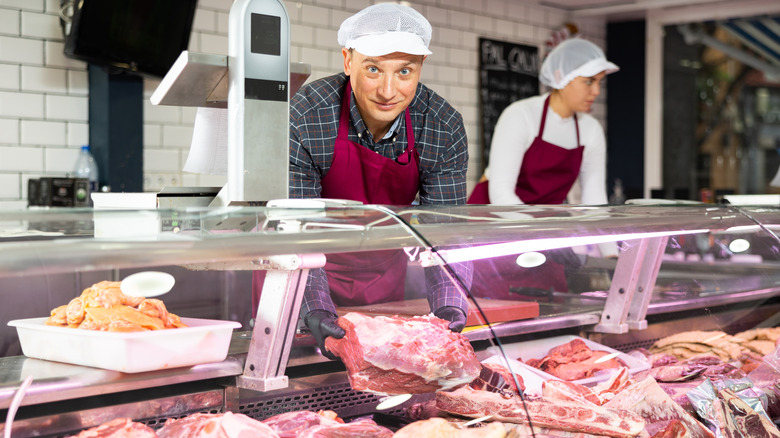
What it is, which foods are most sensitive, and steps to reduce damage from harmful lights
Grocery stores and fresh food retailers often focus on temperature, humidity, and sanitation to preserve perishables. Yet one of the most overlooked threats to product quality is photooxidation. This chemical reaction, triggered by certain light wavelengths, can degrade food pigments, fats, and nutrients, leading to visible discoloration, off-flavors, and reduced shelf life. Understanding photooxidation and implementing practical measures to mitigate it is essential for store managers who aim to protect perishables, reduce shrink, and maintain customer confidence.
Understanding Photooxidation
Photooxidation occurs when light energy, particularly in the high-energy visible or ultraviolet range, interacts with oxygen molecules in food. This interaction produces free radicals that accelerate chemical reactions, causing degradation of:
- Fats and oils in dairy, meat, and seafood
- Pigments in fresh produce and prepared foods
- Proteins and vitamins in packaged and ready-to-eat items
The results are often subtle at first but accumulate over time: cheese may yellow, leafy greens wilt faster, meats may darken, and juices or oils may develop off-flavors. Photooxidation is particularly insidious because it affects both visual appeal and taste, even when products are properly refrigerated.
Foods Most Sensitive to Photooxidation
Different categories of perishables respond differently to light-induced reactions. Store managers should prioritize protection for high-risk items:
Dairy
- Cheese and butter are susceptible to fat oxidation, leading to yellowing and off-flavors.
- Milk and cream can lose nutritional quality faster under strong overhead lighting.
Meat and Seafood
- Red meats and fresh fish contain pigments that fade or discolor when exposed to unfiltered light.
- Oxidation affects both color and odor, reducing consumer appeal.
Fresh Produce
- Leafy greens, berries, and delicate fruits degrade faster when light accelerates moisture loss and pigment breakdown.
- Vitamin C and other antioxidants can deteriorate under high-energy light exposure.
Bakery and Prepared Foods
- Frostings, glazes, and icings lose vibrancy when illuminated by the wrong spectrum.
- Ready-to-eat meals can experience off-odors and uneven color, discouraging purchase.
By identifying the most sensitive categories, managers can implement targeted interventions to maximize freshness.
How Light Exposure Accelerates Spoilage
Light intensity, angle, and spectrum all contribute to photooxidation. Key factors include:
- Direct illumination: Overhead lights or poorly placed spotlights can focus energy on certain products, accelerating degradation.
- High-energy wavelengths: Blue and ultraviolet light penetrate cells more aggressively, triggering oxidation reactions.
- Prolonged exposure: Items left under intense light for extended periods experience faster color fading and nutrient loss.
Even when refrigeration and humidity are optimal, inappropriate lighting can make products visually unappealing and reduce perceived freshness, leading to shrink and lost sales.
Practical Steps to Reduce Photooxidation Damage
Store managers can take several straightforward measures to protect products:
- Use Food-Safe Lighting
- Choose LEDs or fluorescent bulbs designed for retail perishables.
- Balanced-spectrum lights reduce harmful wavelengths while maintaining true color rendering (CPI), preserving appearance and quality.
- Optimize Light Placement
- Avoid direct, harsh light on sensitive products.
- Position lighting at angles that illuminate without creating hotspots or glare.
- Ensure even coverage across shelves to prevent uneven degradation.
- Combine Lighting with Night Covers
- Covering refrigerated cases after hours limits continuous light exposure.
- Night covers also stabilize temperature and humidity, complementing lighting controls to reduce spoilage.
- Monitor and Rotate Stock
- Rotate products to minimize prolonged exposure to illuminated areas.
- Keep sensitive items on shelves for the shortest practical display duration.
- Use weekly checks to identify early signs of photooxidation and adjust placement accordingly.
- Staff Training
- Educate team members on which items are light-sensitive and how to handle them.
- Encourage reporting of color fading, surface drying, or unusual odors.
- Make lighting and rotation protocols part of standard operating procedures.
Benefits of Proactive Photooxidation Management
Investing in strategies to reduce light-induced spoilage has measurable operational and financial advantages:
- Reduced shrink: Less discoloration and off-flavors mean fewer products discarded daily.
- Enhanced visual appeal: Customers see vibrant, fresh products, boosting confidence and sales.
- Improved nutrient retention: Vitamins, proteins, and pigments remain intact longer, supporting quality claims.
- Operational efficiency: Staff spend less time removing spoiled items or performing unnecessary rotations.
- Energy savings: Food-safe lighting often uses less energy, reducing overhead and refrigeration load.
By taking proactive measures, store managers can protect product quality, improve shopper satisfaction, and optimize profitability.
Real-World Examples
- Dairy cases: Switching to balanced-spectrum LEDs reduced yellowing and off-flavors in cheese, extending shelf life by several days.
- Produce sections: Adjusting light angles on leafy greens and berries minimized wilting and discoloration, lowering shrink rates by up to 15%.
- Meat displays: Front-row lighting adjustments helped maintain red meat pigments without increasing temperature or drying.
These examples highlight that small, targeted interventions in lighting and case management can produce tangible improvements across departments.
Conclusion
Photooxidation is a silent but impactful contributor to food spoilage in grocery and specialty retail environments. Understanding which foods are most sensitive, how light accelerates degradation, and how to implement practical mitigation strategies allows store managers to preserve freshness, reduce waste, and maintain customer trust.
Implementing food-safe, balanced-spectrum lighting, optimizing placement, using night covers, rotating stock strategically, and training staff are all part of an integrated approach to managing photooxidation.
For grocery operators and retail managers seeking professional solutions to protect perishables from harmful light exposure and improve shelf life, visit www.foodlighting.com to explore lighting systems designed specifically for modern grocery environments.