
A department-by-department checklist for picking lighting that fits the product, not a one-size setup
Retail food displays are more than storage solutions.they are sales tools. Lighting affects how customers perceive freshness, color, and quality, which directly impacts purchasing decisions. Yet many stores apply a uniform lighting approach across all departments, inadvertently compromising product appearance, shelf life, and profitability. Choosing the right display case lighting requires understanding the unique needs of meat, dairy, produce, and bakery sections. This guide offers a department-specific checklist for store managers and grocery operators to make informed decisions.
Why Department-Specific Lighting Matters
Each food category has different sensitivities to light, heat, and color rendering. Applying a one-size-fits-all lighting strategy can:
- Accelerate spoilage and shrink
- Cause discoloration or off-flavors
- Mislead customers about product quality
- Increase labor and operational costs
By tailoring lighting to each department, retailers can enhance product presentation, extend shelf life, and improve overall store performance.
Meat Display Lighting Checklist
Meat is highly sensitive to oxidation and color changes, particularly in fresh red cuts. Improper lighting can cause browning, dullness, or surface drying, even when refrigeration is correct.
Key considerations:
- Balanced spectrum: Choose lighting that preserves red and pink pigments without producing heat.
- Even coverage: Ensure top, front, and sides of the display are uniformly illuminated to avoid color inconsistencies.
- Glare control: Minimize reflection on glass to maintain true color visibility.
- Low heat output: Protect moisture and texture in high-value cuts.
- Implementation tip: Test a small section under proposed lighting before full installation. Observe color consistency over several hours to identify any fading or off-colors.
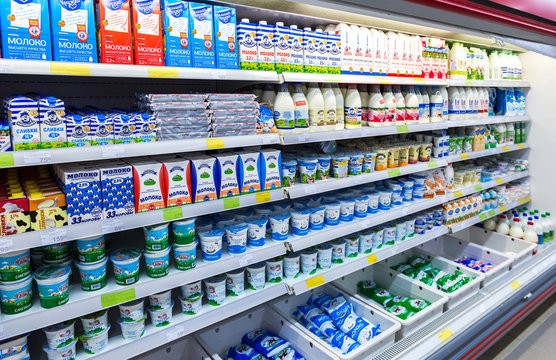
Dairy Display Lighting Checklist
Cheese, butter, yogurt, and milk are sensitive to both light and temperature. Excessive exposure to certain wavelengths can trigger fat oxidation, yellowing, and off-flavors.
Key considerations:
Color accuracy: High CPI lighting ensures natural whites and creams appear consistent.
Reduced UV and blue light exposure: Minimizes degradation of fats and vitamins.
Even illumination across shelves: Prevents some products from appearing brighter or more appealing than others.
Low heat output: Avoids accelerating spoilage in temperature-sensitive dairy items.
Implementation tip: Rotate dairy items regularly to prevent prolonged exposure in the most brightly lit zones.
Produce Display Lighting Checklist
Fresh fruits and vegetables are highly perishable. Light influences color, texture, and perceived freshness, while poor airflow or heat accelerates wilting and dehydration.
Key considerations:
- Moisture retention: Use lighting that does not contribute excessive heat, which can dry leaves or fruit skins.
- True color rendering: Greens, reds, and yellows should appear vibrant but natural.
- Placement: Avoid direct light on delicate berries and leafy greens to prevent stress or wilting.
Even coverage: Ensure all layers, including lower shelves, are visible and attractive. - Implementation tip: Combine lighting with proper airflow management to enhance longevity and crispness.
Bakery Display Lighting Checklist
Bakery items, especially frosted cakes, glazes, and pastries, are highly sensitive to heat and light. Improper lighting can result in washed-out colors, dry textures, or melted toppings.
Key considerations:
- Balanced spectrum lighting: Highlights natural colors without flattening textures or creating glare.
- Minimal heat output: Protects icing, chocolate, and delicate pastry layers.
- Even illumination: Ensures every shelf, corner, and display tray is visually appealing.
- Glare management: Prevents reflection that could obscure fine details.
- Implementation tip: Use adjustable fixtures or LED strips to highlight specialty items while avoiding direct light exposure on delicate pastries.
General Best Practices Across Departments
- Test fixtures before full installation: Check for unintended shadows, glare, or color shifts.
- Match lighting with case design: Ensure lights are compatible with refrigerated or ambient display cases.
- Monitor product response: Observe spoilage, discoloration, and moisture loss under the new lighting setup.
- Use food-safe lighting solutions: Systems like Promolux LEDs are designed to protect color, flavor, and nutrients across multiple food categories.
- Train staff: Employees should understand why lighting matters and how to manage sensitive products during restocking or rotation.
Benefits of Department-Specific Lighting
- Reduced shrink: Proper lighting preserves product appearance and slows spoilage.
- Enhanced customer confidence: Shoppers perceive fresh, vibrant products as higher quality.
- Operational efficiency: Less time spent removing discolored or spoiled items.
- Energy efficiency: Food-focused lighting minimizes unnecessary heat and reduces refrigeration workload.
- Improved brand image: Consistent, visually appealing displays reinforce store reputation for quality.
Conclusion
Choosing display case lighting is not a one-size-fits-all decision. Meat, dairy, produce, and bakery sections each have unique needs that require tailored approaches to preserve color, flavor, and freshness. Implementing department-specific lighting ensures that perishables remain visually appealing, extends shelf life, reduces shrink, and boosts profitability.
Retailers seeking professional food-safe lighting solutions that meet the needs of multiple departments can visit www.foodlighting.com Discover lighting systems that protect perishables, enhance visual appeal, and support operational efficiency in modern grocery environments.