
A field checklist (length, driver, mounting, lens angle, power) that prevents expensive rework
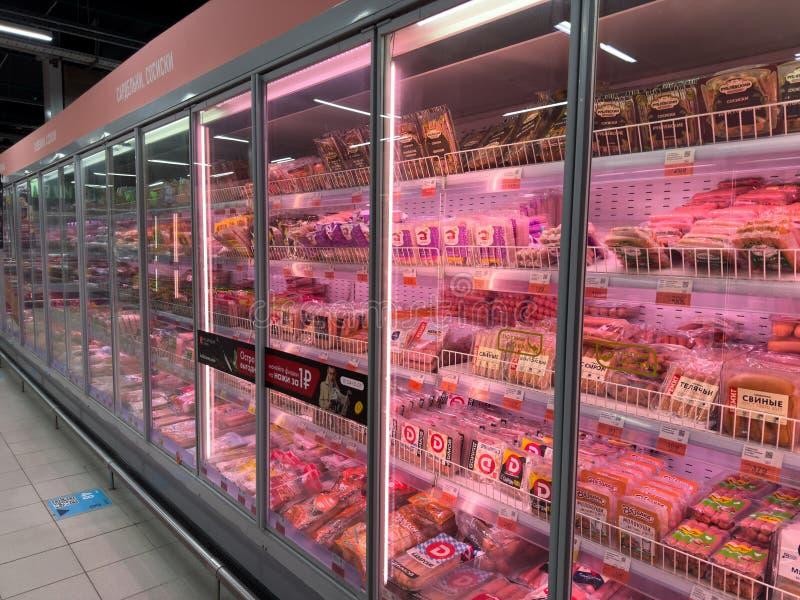
Upgrading refrigerated display cases to LED lighting is a cost-effective way to improve product appearance, extend shelf life, and reduce energy consumption. However, improperly planned retrofits can lead to uneven illumination, overheating, or expensive rework. Taking precise measurements and understanding your case’s specifications before ordering LED fixtures ensures a smooth installation and optimal results. This guide provides a practical checklist for grocery operators, store managers, and lighting buyers to get it right the first time.
Why Proper Measurements Matter
LEDs differ significantly from older fluorescent or halogen lighting in terms of intensity, beam angle, and thermal output. A mismatch between fixture specifications and case dimensions can result in:
- Shadows on key products
- Excessive heat on temperature-sensitive items
- Uneven color rendering across shelves
- Poor energy savings or premature fixture failure
- Accurate measurements prevent these issues, ensuring both product protection and return on investment.
Step 1: Measure the Case Length and Width
Length and width measurements are the foundation of any retrofit. Incorrect sizing can leave dark spots or require additional fixtures.
Checklist:
- Measure internal case length along each shelf tier.
- Check for differences between upper and lower shelves.
- Record width from glass front to rear wall, including any structural obstructions.
- Note any irregular shapes, corners, or angled panels that may need custom fixtures.
Implementation tip: Take measurements at multiple points to account for slight manufacturing variations.
Step 2: Identify the Driver and Power Requirements
LED systems rely on drivers to regulate voltage and current. Choosing the right driver is critical for longevity and performance.
Checklist:
- Verify input voltage available in each case.
- Note whether drivers are external or integrated with the fixture.
- Confirm compatibility with dimming controls or case sensors.
- Document total power consumption to ensure it fits within existing circuits.
Implementation tip: Consult fixture specifications for thermal load and driver placement to prevent heat buildup inside the case.
Step 3: Assess Mounting Points and Clearance
Proper mounting ensures stability, correct beam direction, and minimal interference with refrigeration or product placement.
Checklist:
- Identify existing mounting channels or brackets.
- Measure available vertical clearance above product trays.
- Check for obstructions such as wiring, signage, or glass panels.
- Confirm fixture length matches mounting points to avoid extensions or brackets.
Implementation tip: If retrofitting older cases, consider adjustable brackets to accommodate variations in shelf heights or depths.
Step 4: Determine Lens Angle and Beam Distribution
Lens angle affects how light spreads across shelves. Incorrect angles can create hotspots, glare, or uneven brightness.
Checklist:
- Measure the distance from fixture location to the front edge of the shelf.
- Decide if wide or narrow beam lenses are required for even illumination.
- Identify areas prone to shadowing, such as corners or vertical dividers.
- Check whether diffusers or reflectors are included in the fixture design.
Implementation tip: Wider beam angles are generally better for produce and bakery displays, while narrower angles help highlight meats and prepared foods.
Step 5: Record Fixture and Case Height
The vertical position of the fixture relative to products impacts color rendering, glare, and heat exposure.
Checklist:
- Measure from the top of the shelf or case frame to the ceiling of the case.
- Consider height differences between multiple tiers.
- Note the distance to glass or plexiglass covers to avoid unwanted reflections.
Implementation tip: Maintaining a consistent distance ensures uniform appearance and avoids areas where products may overheat or appear washed out.
Step 6: Document Environmental Conditions
LED performance can be influenced by case temperature, humidity, and airflow.
Checklist:
- Record case operating temperatures (refrigerated, ambient, or frozen).
- Note humidity levels, particularly for produce or bakery cases.
- Observe airflow patterns to ensure fixtures do not interfere with cooling efficiency.
Implementation tip: Certain LEDs are rated for specific temperature ranges. Confirm the selected fixture matches your case environment to prevent early failure.
Additional Considerations
- Compatibility with existing lighting controls: Ensure dimming, timers, or occupancy sensors work with the new LEDs.
- Fixture accessibility for maintenance: Verify that bulbs or modules can be easily replaced without dismantling the entire case.
- Energy efficiency goals: Document expected wattage reduction to compare against previous systems for ROI calculations.
- Visual consistency: For multiple cases in a row, measure and document all dimensions to avoid inconsistent lighting effects across the store.
Benefits of a Well-Measured LED Retrofit
- Extended Product Shelf Life: Correct lighting preserves color, reduces heat impact, and prevents moisture loss.
- Reduced Energy Costs: LEDs consume less power than fluorescent or halogen lights while producing less heat.
- Improved Customer Perception: Even illumination and true-to-life colors enhance perceived freshness and quality.
- Operational Efficiency: Accurate retrofits reduce the need for trial-and-error installations, saving labor and time.
Conclusion
Photooxidation is a silent but impactful contributor to food spoilage in grocery and specialty retail environments. Understanding which foods are most sensitive, how light accelerates degradation, and how to implement practical mitigation strategies allows store managers to preserve freshness, reduce waste, and maintain customer trust.
Implementing food-safe, balanced-spectrum lighting, optimizing placement, using night covers, rotating stock strategically, and training staff are all part of an integrated approach to managing photooxidation.
For grocery operators and retail managers seeking professional solutions to protect perishables from harmful light exposure and improve shelf life, visit www.foodlighting.com to explore lighting systems designed specifically for modern grocery environments.