
Introduction
In modern retail environments, lighting is not only a visual merchandising tool but also a hidden heat source that affects food stability. One of the most overlooked issues is how food lighting performance metrics are influenced by radiant energy that slowly raises localized temperatures inside refrigerated and ambient display systems.
Even when refrigeration systems are functioning correctly, radiant heat from lighting can create small but continuous temperature shifts inside display cases. These micro-temperature increases may seem insignificant, but over time they directly impact food quality, freshness perception, and shelf stability.
Understanding Radiant Energy in Retail Lighting
Radiant energy is the heat emitted from lighting systems, particularly LEDs and older fluorescent setups. While LEDs are more efficient, they still emit a measurable amount of heat energy that transfers into the surrounding environment.
This energy contributes to heat transfer in refrigerated cases, where light-generated heat interacts with chilled air systems and product surfaces. The result is uneven thermal distribution inside display environments.
Even small increases in temperature can disturb the delicate balance required for maintaining consistent food quality.
Micro-Temperature Shifts and Their Formation
Micro-temperature increases occur when localized heat builds up in specific areas of a display case due to continuous lighting exposure. These shifts are often not detected by standard thermostats but still affect food surfaces directly.
A key factor influencing this process is wavelength impact on food, where different light wavelengths carry varying levels of energy. Higher-energy wavelengths contribute more significantly to localized heating effects.
Over time, this leads to:
- Slight warming of product surfaces
- Uneven cooling across display zones
- Faster moisture loss in exposed areas
- Reduced consistency in product freshness
These effects are subtle but cumulative, especially in high-traffic retail environments.
Impact on Refrigerated Display Stability
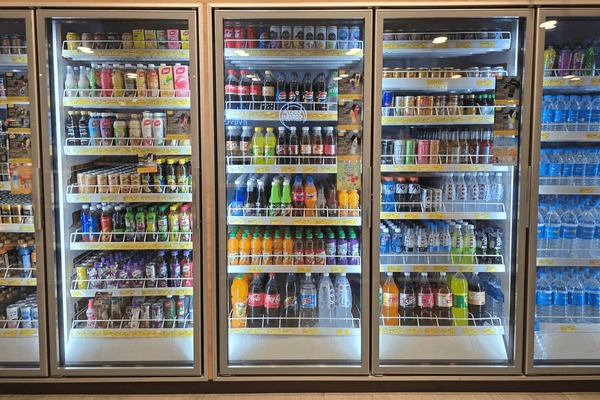
Refrigerated systems are designed to maintain consistent temperature zones, but radiant heat from lighting can disrupt airflow and cooling efficiency.
This is closely linked to refrigerated display lighting, where lighting systems are integrated directly within chilled environments. When not properly managed, lighting creates thermal interference that reduces system stability.
Another contributing factor is airflow disruption in display systems, where warm air pockets form near lighting fixtures and interfere with cold air circulation patterns.
These disruptions can result in:
- Localized warm spots inside cases
- Reduced cooling efficiency near lighting zones
- Increased compressor workload
- Inconsistent product temperature across shelves
Effect on Food Stability and Shelf Life
Micro-temperature variations directly affect food chemistry. Even a 1–2°C fluctuation in certain zones can accelerate spoilage reactions in sensitive products.
This becomes particularly important for light exposure shelf life, where both heat and light act together to speed up degradation processes.
Products most affected include:
- Fresh dairy items
- Prepared meals
- Meat and seafood products
- Ready-to-eat bakery items
In these categories, small temperature increases can shorten usable shelf life and reduce visual freshness.
Heat Interaction with Refrigeration Systems
Radiant energy does not act independently; it interacts directly with refrigeration performance. When lighting increases internal temperatures, refrigeration systems must work harder to restore equilibrium.
This is part of broader refrigeration load management, where additional heat sources increase compressor activity and energy consumption.
Over time, this leads to:
- Higher energy usage
- Reduced system efficiency
- Increased operational strain
- Greater temperature fluctuation risks
This hidden load is often underestimated in store design planning.
Managing Radiant Heat in Retail Environments
To reduce micro-temperature increases caused by lighting, retailers must integrate lighting and refrigeration design rather than treating them separately.
Effective strategies include:
- Using low-heat LED systems with optimized emission profiles
- Positioning lights to minimize direct product exposure
- Installing heat-diffusing covers or reflectors
- Separating lighting circuits from cooling zones where possible
Advanced systems also evaluate food lighting performance metrics to balance brightness with thermal impact, ensuring both visibility and stability.
Why Small Temperature Changes Matter
Even minor thermal fluctuations have a cumulative effect on food quality. Over time, these micro-changes can lead to:
- Faster moisture loss
- Reduced texture stability
- Early-stage spoilage in sensitive foods
- Lower perceived freshness by customers
This is why controlling radiant heat is not optional—it is a critical part of maintaining consistent retail food quality.
For More Information
For deeper insights into advanced lighting systems and their impact on food stability, visit www.foodlighting.com. The platform provides research-based solutions for optimizing lighting performance while protecting food quality in retail environments.