
Introduction
In modern food retail environments, prepared food sections are exposed to constant artificial lighting, which significantly impacts product stability over time. One of the most overlooked issues is light induced food degradation, a process where continuous exposure to light gradually alters the chemical structure of food, especially proteins.
While retailers usually focus on refrigeration, packaging, and hygiene, they often underestimate how much lighting contributes to silent but continuous quality loss. Prepared foods such as sandwiches, cooked meats, pasta dishes, and dairy-based meals are particularly vulnerable because their protein structures react strongly to light exposure over time.
This hidden degradation does not always show immediate visible damage, but it slowly reduces texture quality, freshness perception, and nutritional value.
Understanding Protein Sensitivity in Prepared Foods
Proteins are complex molecules that give structure, texture, and nutritional value to food. In prepared meals, these proteins are already partially processed, making them more sensitive to environmental stress.
When exposed to retail lighting, proteins undergo chemical reactions triggered by energy absorption. These reactions are known as food photochemical reactions, where light energy breaks molecular bonds and alters protein stability.
Over time, this leads to:
- Loss of moisture balance
- Texture softening in cooked meals
- Reduced firmness in protein-rich foods
- Subtle changes in color and surface appearance
Even in refrigerated environments, these reactions continue slowly, proving that temperature control alone cannot prevent degradation.
How Retail Lighting Accelerates Protein Breakdown
Retail lighting systems are designed primarily for visual appeal, not food preservation. High brightness levels and long exposure durations increase the stress placed on food surfaces.
One of the most important evaluation tools in this context is food lighting performance metrics, which assess how lighting intensity, spectrum, and exposure duration affect food quality.
When these metrics are not properly optimized, prepared foods experience:
- Faster texture deterioration
- Reduced visual freshness
- Early-stage discoloration
- Decline in perceived quality
This is particularly critical in self-service and grab-and-go sections where food remains under lighting for extended periods.
Role of Light Sensitive Food Compounds
Prepared foods contain multiple sensitive components, including proteins, fats, vitamins, and natural pigments. These are collectively referred to as light sensitive food compounds, and they react differently depending on wavelength exposure.
Proteins are especially vulnerable because light energy can break peptide bonds and alter amino acid structures. This process is gradual but continuous, meaning even short exposure cycles accumulate damage over time.
As these compounds degrade, retailers may notice:
- Slight changes in texture elasticity
- Reduced aroma intensity
- Loss of visual freshness appeal
- Shortened perceived shelf life
These effects directly influence customer purchasing decisions, even when food safety is not yet compromised.
Food Degradation from Continuous Light Exposure
Another critical factor is food degradation from light exposure, which occurs when products are exposed to lighting for long hours without proper shielding or control.
This issue becomes more severe in:
- Open prepared food displays
- High-traffic self-service counters
- Poorly designed refrigerated showcases
- Over-illuminated deli sections
Continuous exposure leads to cumulative damage, especially in protein-rich meals. Even if lighting intensity is moderate, long exposure duration significantly increases degradation rates.
This is why exposure time is often more damaging than brightness itself.
Improving Food Stability Through Lighting Control
Retailers can significantly reduce protein degradation by adopting scientifically optimized lighting systems instead of purely aesthetic setups.
Modern solutions focus on balancing visibility with preservation using advanced lighting technologies.
One key approach is implementing a controlled food safe lighting spectrum, which minimizes harmful wavelengths while maintaining product attractiveness.
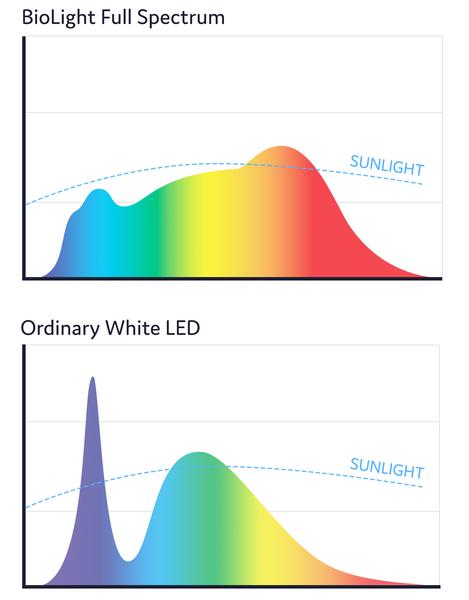
Another important factor is the use of spectral power distribution LED, which allows precise control over emitted light wavelengths. This helps reduce unnecessary energy in harmful spectral zones that accelerate protein breakdown.
Together, these systems improve:
- Product stability under display conditions
- Visual consistency across shelves
- Shelf life performance
- Overall food quality retention
Practical Retail Improvements
To reduce light-induced damage in prepared foods, retailers should consider the following operational improvements:
- Adjust lighting angles to reduce direct exposure
- Use diffused lighting instead of concentrated beams
- Limit continuous exposure time during low-traffic hours
- Regularly evaluate lighting impact using performance metrics
- Integrate lighting design with refrigeration planning
These adjustments help slow down protein degradation and maintain a more consistent product appearance throughout the day.
The Hidden Cost of Ignoring Light Impact
When light exposure is not properly managed, retailers experience hidden losses that go beyond visible spoilage. These include:
- Reduced customer trust in freshness
- Increased product returns or waste
- Shortened effective shelf life
- Lower perceived product value
Over time, these issues contribute to operational inefficiency and reduced profitability, even if refrigeration systems are working correctly.
For More Information
For deeper insights into scientifically designed retail lighting systems and food preservation technologies, visit https://www.foodlighting.com. The platform provides advanced solutions designed to reduce light-related degradation and improve overall food display performance.