
Introduction
In retail food environments, lighting is not only a visual merchandising tool but also a chemical trigger that continuously affects product stability. One of the most important but underestimated factors is light exposure shelf life, which refers to how ongoing exposure to lighting gradually reduces the usable life of food products.
Unlike temperature changes that show immediate effects, cumulative light exposure works slowly over time. Its impact builds up across hours and days, influencing food chemistry, texture, color, and nutritional stability inside display environments.
Understanding Cumulative Light Exposure in Retail Displays
Cumulative light exposure refers to the total amount of light energy absorbed by food products during their display period. Even when intensity is controlled, continuous exposure leads to gradual degradation.
This process is closely linked with food degradation from light exposure, where repeated exposure initiates chemical reactions that slowly reduce product quality.
Over time, this leads to:
- Gradual color fading in sensitive foods
- Loss of natural aroma and flavor compounds
- Reduced visual freshness
- Increased oxidation in exposed products
These changes are often subtle at first but become more noticeable as exposure continues.
Role of Light-Induced Chemical Reactions
Food products contain compounds that react differently to light exposure. These reactions are not immediate but accumulate over time, leading to structural and chemical breakdown.
This is where food photochemical reactions become important. Light energy activates reactions that affect pigments, fats, and proteins within food structures.
Key processes include:
- Pigment breakdown leading to discoloration
- Lipid oxidation affecting fats and oils
- Protein structure changes reducing texture quality
- Nutrient degradation reducing food value
These reactions accelerate with prolonged exposure, especially in poorly controlled lighting environments.
Lipid and Protein Sensitivity to Light
Different food components respond differently to cumulative light exposure. High-fat foods are especially sensitive due to oxidation processes, while protein-rich foods experience structural changes over time.
This connects directly to lipid oxidation food display, where fats react with oxygen under light exposure, leading to rancidity and off-flavors.
At the same time, protein degradation light exposure affects structural integrity in prepared foods such as meats, dairy-based dishes, and ready-to-eat meals.
Together, these reactions reduce both sensory appeal and shelf stability.
Spectral Influence on Shelf Life Reduction
Not all light contributes equally to food degradation. The wavelength composition of lighting plays a major role in determining how quickly products deteriorate.
This is explained through spectral sensitivity food products, where certain wavelengths trigger stronger chemical responses than others.
Higher-energy wavelengths tend to:
- Accelerate oxidation processes
- Increase pigment breakdown
- Intensify nutrient loss
- Reduce overall product stability
Even energy-efficient LED systems can contribute to degradation if spectral output is not properly controlled.
Impact on Nutritional and Visual Quality
Cumulative light exposure does not only affect appearance but also nutritional value. Vitamins and sensitive nutrients degrade gradually when exposed to continuous lighting.
This is directly related to nutrient degradation light exposure, where prolonged exposure reduces essential nutrient levels in food products.
At the same time, visual quality declines due to pigment instability, affecting customer perception of freshness.
This is especially critical in high-visibility retail categories such as fresh produce, dairy, and prepared meals.
Connection with Display Lighting Systems
Retail lighting systems are designed to enhance visibility, but they also contribute directly to cumulative exposure effects. Poorly designed systems increase total light dosage over time.
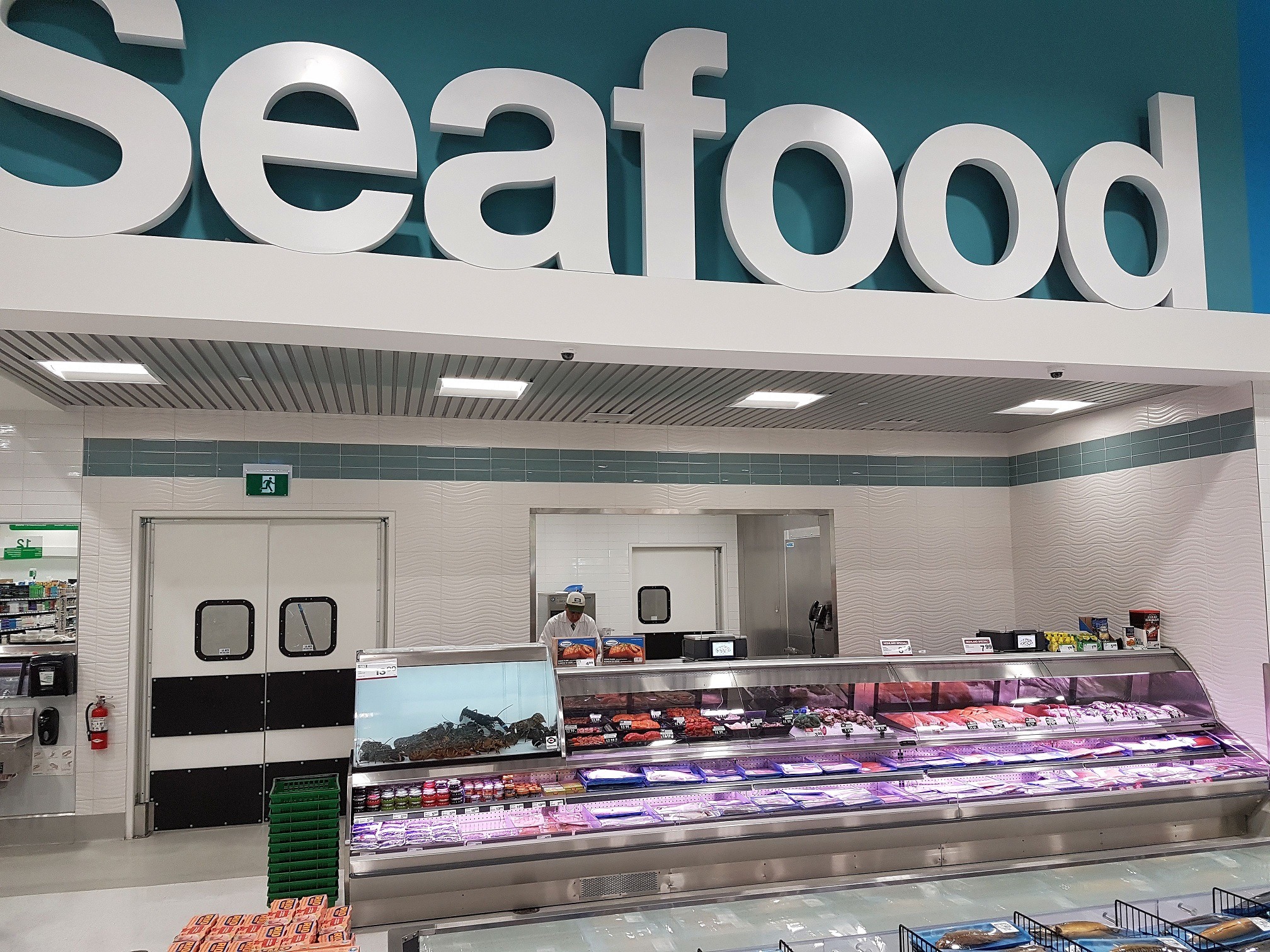
This is part of food display case lighting, where continuous illumination inside refrigerated environments accelerates chemical changes in exposed products.
As exposure continues, retailers may observe:
- Faster color deterioration
- Reduced shelf appeal
- Shortened usable display time
- Increased product waste rates
These effects become more pronounced in long operating hours.
- Using controlled-spectrum LED systems
- Limiting unnecessary continuous exposure
- Optimizing lighting angles to reduce direct contact
- Monitoring exposure duration alongside intensity
Why Cumulative Effects Are Often Overlooked
Retailers often focus on immediate lighting effects such as brightness and color appeal, while ignoring long-term exposure accumulation. Since degradation is gradual, it is rarely linked directly to lighting systems.
However, over extended periods, cumulative exposure becomes a major contributor to:
- Reduced shelf life consistency
- Increased product shrink
- Lower nutritional retention
- Declining visual quality across displays
Understanding this hidden factor is essential for improving overall food quality management.
For More Information
For deeper insights into food-safe lighting design and shelf life optimization, visit https://www.foodlighting.com. The platform provides advanced research and solutions focused on reducing light-induced degradation, improving spectral control, and enhancing food preservation in retail environments.
Conclusion
Cumulative light exposure plays a critical role in determining product stability in retail environments. By understanding food degradation from light exposure and controlling food photochemical reactions, retailers can significantly extend shelf life, preserve nutritional quality, and maintain consistent visual appeal across food displays.