
A plain-language guide to spectrum balance, product color, and why some lights cause faster decline
When grocery retailers evaluate display lighting, terms like “balanced spectrum” and “color rendering” are often thrown around. While marketing materials can be confusing, understanding the practical meaning of balanced-spectrum lighting is essential for protecting perishable products. Balanced lighting isn’t just about making shelves look bright.it directly impacts freshness, shelf life, and customer perception across dairy, meat, produce, seafood, and bakery items.
This guide explains balanced spectrum in plain language, why some lights accelerate product decline, and what operators can do to ensure every item looks appealing and stays fresh longer.
What Balanced Spectrum Really Means
Balanced-spectrum lighting refers to illumination that evenly covers the visible light range in a way that does not favor or distort particular colors. Unlike standard commercial LEDs or fluorescent bulbs, which may overemphasize red, blue, or green wavelengths, balanced-spectrum lights reproduce natural colors accurately.
In practice, this means:
- True product appearance: Fruits, vegetables, meats, and packaged goods appear as the manufacturer intended.
- Reduced color distortion: Shoppers see consistent color across the shelf, improving trust and purchase confidence.
- Less visual stress: Overly warm or cool lighting can make certain foods appear off, stale, or less appealing.
Balanced spectrum is measured using indices like CPI, which indicates how well light reproduces true colors, particularly important in food displays where even slight shifts in color can influence purchasing decisions.
How Unbalanced Lighting Accelerates Food Decline
Improper lighting does more than just look wrong. It actively contributes to product degradation:
Oxidation and Discoloration
- High-energy blue or ultraviolet wavelengths can trigger chemical reactions in meats, seafood, and oils, leading to color changes and off-flavors.
- Bakery items and frosting can appear dull or washed out under certain spectra, even if the product itself is fresh.
Moisture Loss
- Bright, narrow-spectrum lights often generate more heat and uneven illumination, drying out leafy greens, cut fruit, or delicate pastries.
- Uneven moisture retention leads to wilting, surface crusting, or hardened edges, increasing shrink and waste.
Nutrient Degradation
- Certain wavelengths accelerate the breakdown of vitamins and proteins in dairy, juices, and ready-to-eat meals.
- Balanced lighting minimizes these effects by delivering energy in wavelengths less harmful to perishable compounds.
- By avoiding harmful wavelengths, retailers can extend shelf life and maintain product quality without changing refrigeration or handling practices.
Benefits of Balanced-Spectrum Lighting for Different Departments
Balanced lighting impacts every type of display case differently. Understanding department-specific effects helps prioritize lighting upgrades.
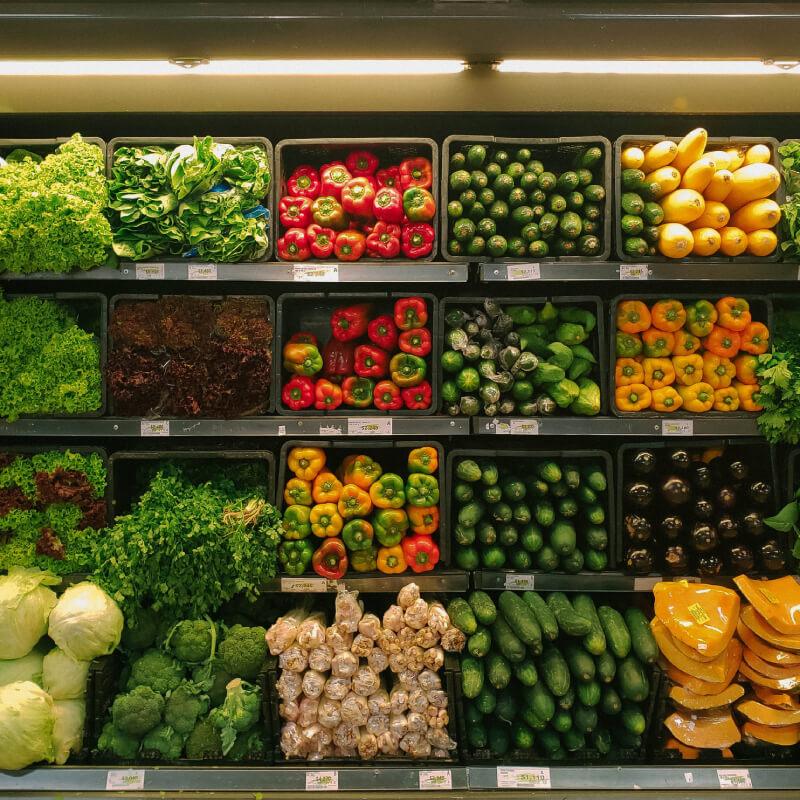
Produce Cases
- Enhances natural greens, reds, and yellows without oversaturation.
- Reduces dehydration and wilting by minimizing hot spots and high-intensity exposure.
Meat and Seafood
- Preserves red meat and fish pigments, preventing gray or brown edges.
- Slows oxidation that causes off-odors and reduces visual appeal.
Dairy and Ready-to-Eat Foods
- Maintains milk and cheese color, preventing yellowing or dulling of packaging.
- Protects vitamin and protein content by reducing light-induced breakdown.
Bakery Items
- Retains glaze shine, frosting vibrancy, and golden crust tones.
- Prevents washed-out or flat textures that can mislead customers about freshness.
Balanced spectrum ensures every product category retains its intended appearance and quality, supporting customer trust and purchase confidence.
Key Considerations When Choosing Balanced-Spectrum Lighting
When selecting lighting for food displays, consider these practical aspects:
- CPI or Color Fidelity: Check that lighting reproduces colors accurately for all products.
- Heat Output: Low-heat designs prevent surface drying and maintain case temperature.
- Placement and Coverage: Ensure illumination reaches all products evenly to prevent shadows or hotspots.
- Maintenance and Retrofit Compatibility: Lighting should integrate seamlessly into existing cases and allow easy replacement or adjustments.
Retailers who assess these factors avoid the common pitfalls of unbalanced lights that may initially appear bright but harm product quality over time.
Operational Practices to Maximize Benefits
Even with balanced-spectrum lighting, proper display and handling practices are essential:
- Regular rotation: Keep front-facing products updated to avoid prolonged light exposure on individual items.
- Case cleaning: Remove dust, condensation, or smudges that can distort light distribution.
- Monitor performance: Track shrink, customer feedback, and product appearance to confirm lighting effectiveness.
- Combine with night covers: Use protective covers to maintain temperature and prevent overnight degradation, complementing balanced lighting.
These practices work together to ensure product longevity and consistent shopper experience.
The Business Case for Balanced-Spectrum Lighting
Investing in balanced-spectrum lighting delivers measurable returns:
- Reduced shrink and waste: Less discoloration, moisture loss, and oxidation means fewer products are discarded daily.
- Improved sales: Accurate colors increase purchase confidence, leading to higher conversion rates and repeat customers.
- Operational efficiency: Staff spend less time rotating or discarding damaged products.
- Energy savings: Modern balanced LEDs are energy-efficient and reduce the refrigeration burden compared to high-heat traditional lighting.
Even a small reduction in spoilage or improved visual appeal can translate to significant financial gains for retailers.
Conclusion
Balanced-spectrum lighting is more than marketing jargon; it is a practical tool for protecting product quality, maintaining color fidelity, and reducing waste across grocery and specialty food departments. By understanding what balanced spectrum means, how unbalanced lights accelerate decline, and what operational practices support optimal results, retailers can make informed lighting choices that safeguard perishables and enhance the customer experience.
For retailers looking to implement balanced-spectrum lighting that preserves freshness, appearance, and shelf life across all display cases, visit www.foodlighting.com to explore professional solutions designed for modern grocery environments.