
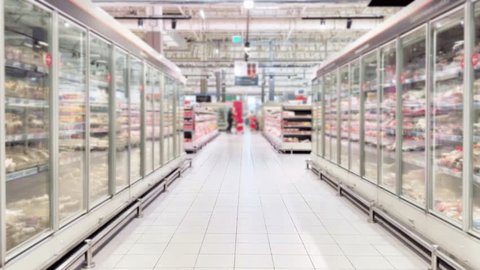
Light exposure is one of the most underestimated causes of quality loss in high-fat foods displayed in retail environments. One of the most critical reactions involved is lipid oxidation food display, where fats break down when exposed to certain wavelengths of light. This process directly impacts taste, aroma, nutritional value, and overall product freshness.
In modern supermarkets, lighting is not just for visibility.it actively interacts with food chemistry. Understanding how light triggers oxidation is essential for improving food quality preservation lighting strategies and extending shelf life.
1. The Science Behind Light-Induced Lipid Damage
Lipid oxidation occurs when fats react with oxygen under light exposure. In high-fat foods such as dairy, meat products, pastries, and ready-to-eat meals, this reaction is accelerated by specific light wavelengths.
When exposed to unsuitable lighting conditions, light induced food degradation begins at a molecular level. Photons from light sources activate oxygen molecules, creating free radicals that attack fat structures. This leads to rancidity, off-flavors, and visible discoloration.
In retail environments, continuous exposure inside refrigerated display units increases this risk, especially when lighting is not optimized for food safety.
2. Role of Wavelengths in Food Fat Breakdown
Different wavelengths of light affect food in different ways. Shorter wavelengths (especially blue and UV ranges) carry more energy and are more likely to trigger chemical reactions.
This is where wavelength impact on food becomes critical. High-energy wavelengths penetrate food surfaces and activate oxidative reactions in fats and oils.
In a food display case lighting system, poorly designed lighting can unintentionally accelerate fat breakdown. This is especially problematic in high-fat foods like cheese, butter-based desserts, and processed meats.
3. Spectral Power Distribution and Food Safety
Modern LED systems are designed with controlled emission profiles. However, not all LEDs are suitable for food environments.
The spectral power distribution LED defines how much energy is emitted at each wavelength. If the spectrum includes excessive blue light, it can increase oxidative stress in food products.
This is why food safe lighting spectrum design is essential in retail environments. A controlled spectrum reduces unnecessary exposure to harmful wavelengths while still ensuring product visibility and attractiveness.
4. Oxidative Stress and Quality Loss in Displayed Foods
When fats oxidize under light exposure, they create secondary reactions that affect proteins, pigments, and nutrients. This chain reaction is known as oxidative stress in food.
In high-fat products, this leads to:
- Rancid odor formation
- Texture breakdown
- Color fading
- Reduced shelf life
Inside a refrigerated display lighting environment, oxidative stress continues even at low temperatures if lighting is not properly optimized.
5. Light Exposure and Shelf Life Reduction
One of the most direct impacts of lighting is on product longevity. Continuous illumination increases chemical reaction rates, reducing freshness duration.
This is referred to as light exposure shelf life reduction. Even if refrigeration is maintained correctly, poor lighting can still degrade fats and oils over time.
Retailers often underestimate this factor, focusing only on temperature control while ignoring photochemical reactions.
6. Food Display Conditions in Supermarkets
In supermarkets, lighting must balance visibility and preservation. A properly designed supermarket food lighting solutions system ensures products are attractive while minimizing chemical degradation.
However, if lighting is too intense or incorrectly positioned, it increases oxidation risk. This is especially critical in open refrigerated units where products are exposed for long durations.
A well-designed commercial food lighting systems approach considers both energy efficiency and food chemistry impact.
7. Measurement and Control of Light Exposure
Advanced retail systems now use metrics to evaluate how lighting affects food quality. This includes measuring intensity, wavelength distribution, and exposure duration.
light exposure measurement food techniques help retailers understand how much photochemical stress products are experiencing over time.
These insights allow optimization of supermarket lighting optimization strategies to reduce damage while maintaining visual appeal.
8. Protecting Food Quality Through Lighting Design
Modern food retail environments require lighting that supports preservation, not just presentation. The goal of food quality preservation lighting is to slow down oxidation and maintain freshness for longer periods.
By reducing exposure to harmful wavelengths and optimizing LED systems, retailers can significantly reduce lipid breakdown and improve product stability.
Conclusion
Lipid oxidation in high-fat foods is strongly influenced by lighting conditions, especially wavelength exposure and spectral composition. When improper lighting systems are used, lipid oxidation food display processes accelerate, leading to faster spoilage and reduced product quality.
By implementing controlled lighting strategies such as food safe lighting spectrum, retailers can significantly reduce chemical degradation and extend product shelf life while maintaining strong visual merchandising performance.
For More Information
For more insights on optimizing food lighting systems and improving retail food preservation, visit www.foodlighting.com The platform provides advanced scientific lighting solutions designed to enhance food safety, extend shelf life, and improve retail display performance.